

Story by DDNS Reporter Benjamin McDowell
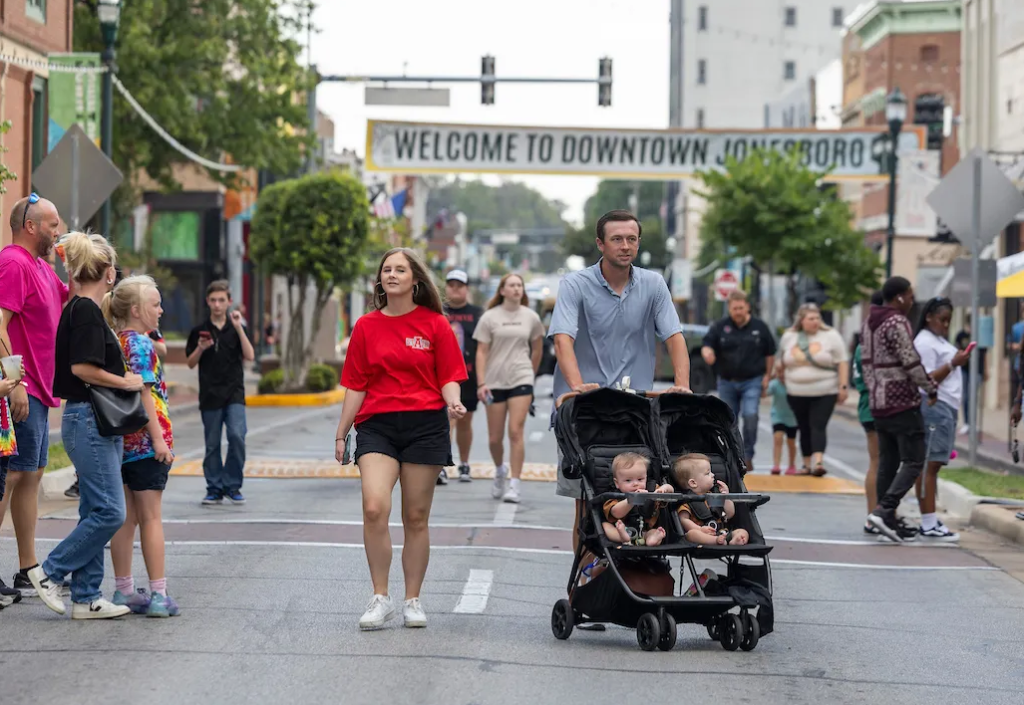
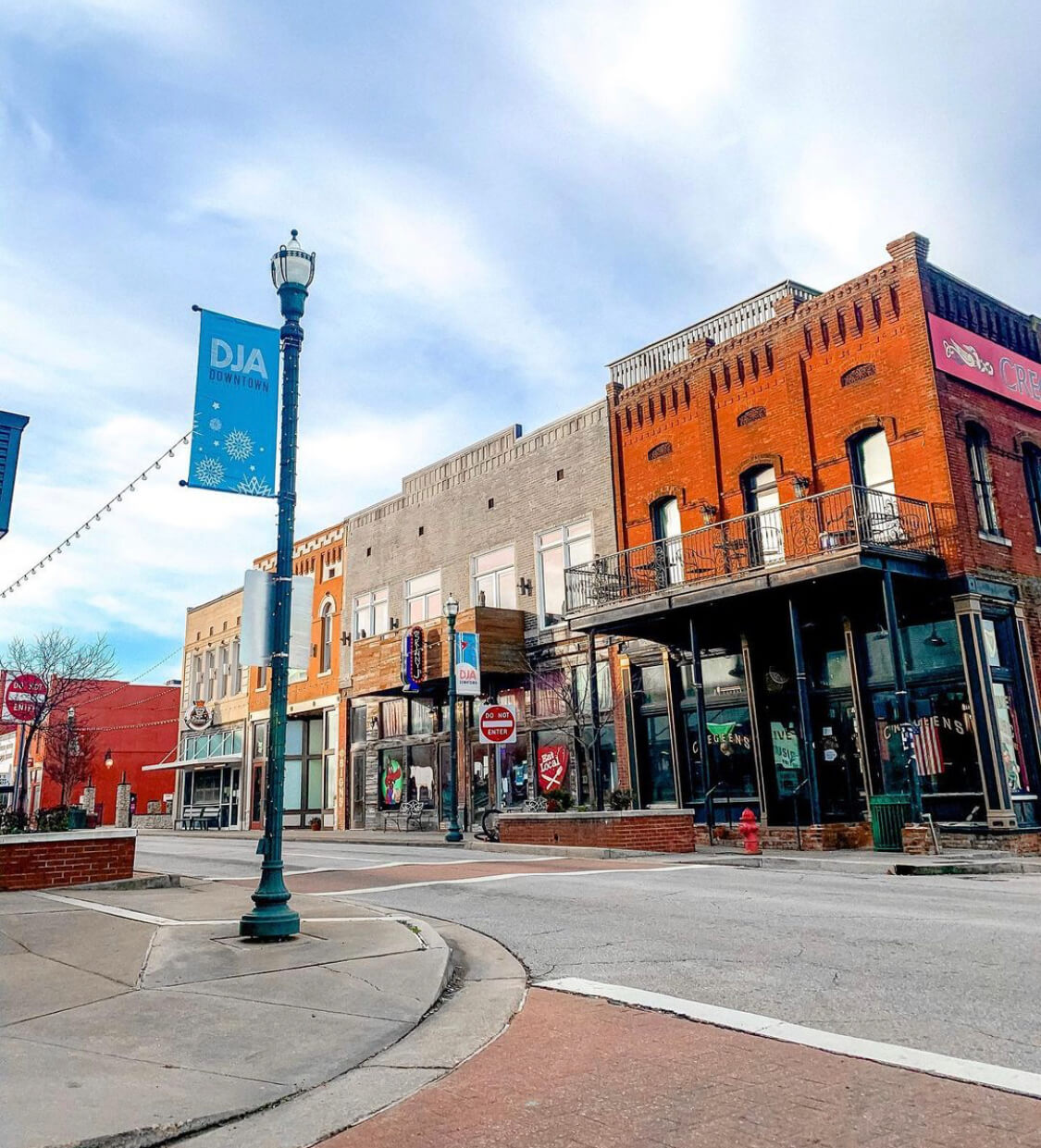
JONESBORO, Ark. — As Arkansas State University continues to grow alongside the city of Jonesboro, students and community leaders say the relationship between campus and community is evolving, but not without challenges.
From economic inequality to shifting social values, both groups are working to better understand their roles in a shared space. While students often focus on academics, identity and campus life, many Jonesboro residents are more concerned with jobs, healthcare and the rising cost of living, highlighting a need for stronger collaboration.
Local organizations say collaboration is critical as community needs continue to grow.
At the Jonesboro Human Development Center, officials say demand for services has increased in recent years, creating new challenges for staffing and care.
“We are struggling to hire people to provide hands-on care for adults with disabilities,” said Diane Keith, a nursing home administrator at the facility. “We need employees with a CNA license.”
Keith said the center also maintains a waiting list for services, reflecting a broader need for support across Northeast Arkansas. She noted that Arkansas State students help fill some of those gaps through internships in nursing, dietetics and speech therapy.
“We receive several A-State students for internships,” Keith said, adding that the organization remains active in the community through events like Oasis Fest, blood drives and the United Way’s Day of Caring.
Community leaders say those partnerships are key, but there is still room to grow.
Heather Coats, executive director of United Way, said Arkansas State has already made strong efforts to connect students with the community.
“I think what’s important, and A-State already does a great job of this, is letting students, especially young adults, know what resources are available,” Coats said.
However, she believes the responsibility does not fall solely on the university.
“I think the community could do a better job of being present on campus when it’s not just for sporting events,” Coats said. “We need to have more of a presence that isn’t just about our own entertainment.”
Coats said increased engagement from Jonesboro residents could help integrate students into the community and encourage long-term involvement.
Erin Calhoon, development director for United Way, said improving awareness is essential to strengthening that connection.
“I would say finding ways for people on A-State’s campus to be more aware of what’s available in the community,” Calhoon said.
Student leaders agree that awareness remains one of the biggest barriers.
Jaycee Davis, president of Volunteer A-State, said her organization has made it a priority to connect students with local opportunities.
“Our mission last year was to connect campus to the community,” Davis said. “We had organizations from Jonesboro come to campus, and we introduced ourselves and shared how we could help each other.”
Volunteer A-State works with organizations such as United Way, the Northeast Arkansas Food Bank and the Craighead County Public Library, helping students find ways to give back through service and outreach.
“Our goal this year is to have students make a bigger impact in the Jonesboro community by making them more aware of volunteer opportunities,” Davis said. “So many students don’t know what’s available in Jonesboro.”
Davis said students can get involved through activities like packing food boxes, participating in community events and supporting organizations like Hope Found, which raises awareness about human trafficking.
“Right now, the community gives a lot to the campus, which is great,” Davis said. “But I think our mission moving forward is to give that same energy back.”
The disconnect between students and the broader community is not unusual, given the age gap.
Lavonda Evans, an instructor of sociology and criminology at Arkansas State, said differences in age and life experience often shape priorities.
“Students are in that space between being supported by their families and stepping into the real world,” Evans said.
She said campus conversations often focus on identity and diversity, while broader community concerns center on economic stability and infrastructure.
Evans said there is a growing shift toward individualism.
“Everything is more individualized and specialized, which creates less collective support,” she said. “People tend to focus on their immediate circles rather than the community as a whole.”
Despite those differences, Evans said collaboration is both possible and necessary.
“Jonesboro is already making efforts to connect the campus with the city,” she said, citing projects like walking trails and plans to better link the university to downtown.
Evans said expanding paid internships or job-shadowing opportunities could help students gain early experience while strengthening ties to the community.
“Overall, both city and university leaders are making strong efforts to connect students and the community, but there is always room for improvement,” Evans said.
As both sides continue to grow, leaders agree that bridging the gap will require greater awareness, stronger partnerships and a shared commitment to engagement on campus and in the community they will eventually call their own.
-30-
Read more here:
A-State and Jonesboro: Bridging the Gap Between Campus and Community. Article may or may not reflect the views of KLEK 102.5 FM or The Voice of Arkansas Minority Advocacy Council

Comments